
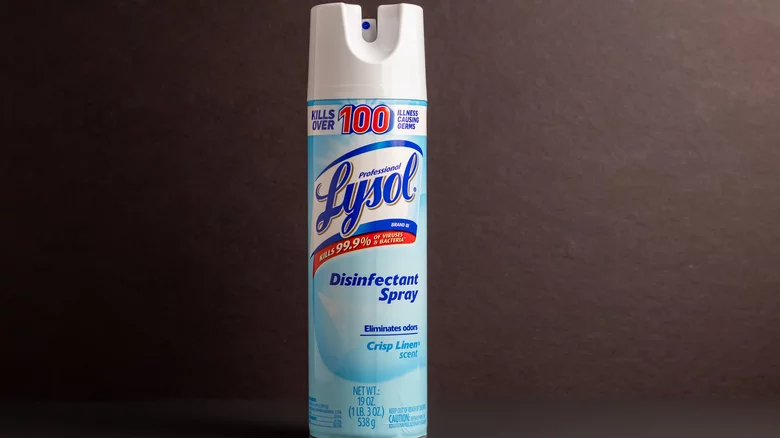
The Lysol brand of disinfectant and cleaning products has been a household name since 1889, according to Bloomberg. It was initially used as one of the most prevalent ways to help combat the spread of cholera and the Spanish Flu. Today, it is still used to disinfect various areas in the home. It is available in the form of an aerosol spray solution, or disinfectant wipes that can be used to clean hard surfaces including stone, wood, stainless steel, porcelain, tile, glass, grout, and laminate.
Lysol claims it is able to kill 99.9% of bacteria and viruses that can make you sick, including the cold, flu and COVID-19 variants. In addition, it helps to combat mildew and mold, which can exacerbate respiratory issues, notes the CDC. But you should use caution next time you consider picking up a bottle of Lysol to spray down a dirty surface in your home.
Though most of us are aware of the various health hazards associated with household mess and pathogens, we may not question the products used to remove them. Do you really know what is in your cleaning products, and are they truly safe for humans and animals? It's important to realize that most cleaning products are only permitted to be sold due to the inclusion of safety and warning labels that detail the potential risks. These risks should be thoroughy read, and thoughtfully considered each time you introduce a new cleaning product to your home.
Lysol can worsen respiratory symptoms
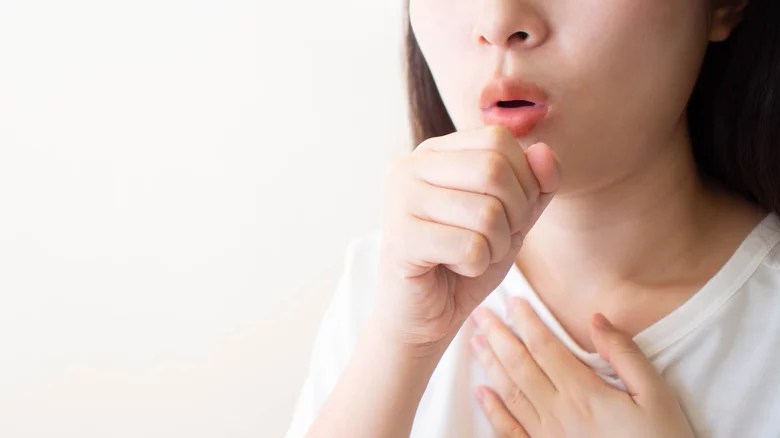
Lysol cleaning products are available in a variety of enticing scents, as a pivotal part of their marketing strategy. It results in consumers using Lysol not only to help ward off germs and bacteria, but also to make their space smell better too. Cleaning feels less like a chore if it leaves your space smelling like fresh lemons or an after-the-rain oasis. The problem, however, is that those added fragrances can wreak havoc on your respiratory system, especially if you are using them incorrectly and mistakenly inhaling some of the aerosols as it leaves the can.
As EWG explains, Lysol contains sodium hypochlorite, which can damage your lungs and have devastating long-term health effects. You may not necessarily notice the effects right away, but over time it can detrimentally impact your lung function. The AOEC warns that Lysol also contains chemicals such as ethanol-amine, ammonium hydroxide and eugenol that are listed as known asthmagens, or substances that can worsen lung function in sensitive individuals who have asthma or other respiratory ailments. If you are asthmatic and use Lysol, always take caution by wearing a respirator to filter out harmful substances.
Lysol is a known skin and eye irritant
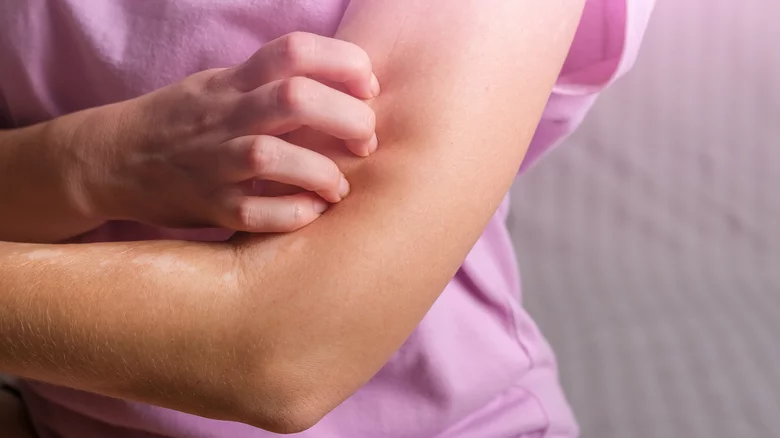
Unfortunately, Lysol also contains a hazardous ingredient known as phenol, which poses a health risk according to the CDC. If you get sprayed or your skin is otherwise exposed to Lysol, it could cause an allergic reaction. In most instances, it will only result in slight redness or mild inflammation, but in more serious cases, exposure can cause hives, a burning sensation, or severe swelling. If you do accidentally come in contact with Lysol, wash your hands and other exposed areas immediately and thoroughly.
Lysol can also cause eye irritation, largely due to the active ingredient benzalkonium chloride. According to Hunker, in addition to causing eye irritation, it is considered a carcinogen, and research has shown it can cause blindness. In fact, the chemical was previously banned by the FDA due to safety concerns, but sadly the ban was later reversed due to the company's lobbying efforts.
Given these revelations, you may be hesitant to continue using Lysol in your home. If you do continue using Lysol, take safety precautions such as wearing gloves, goggles, and a respirator, and immediately wash any exposed skin. It is also important to store Lysol products in a cool, dry place, out of reach of pets and small children. If you or someone you know experiences an allergic reaction, prolonged symptoms due to skin exposure, or if Lysol is ingested, contact your doctor as soon as possible.
No comments:
Post a Comment